
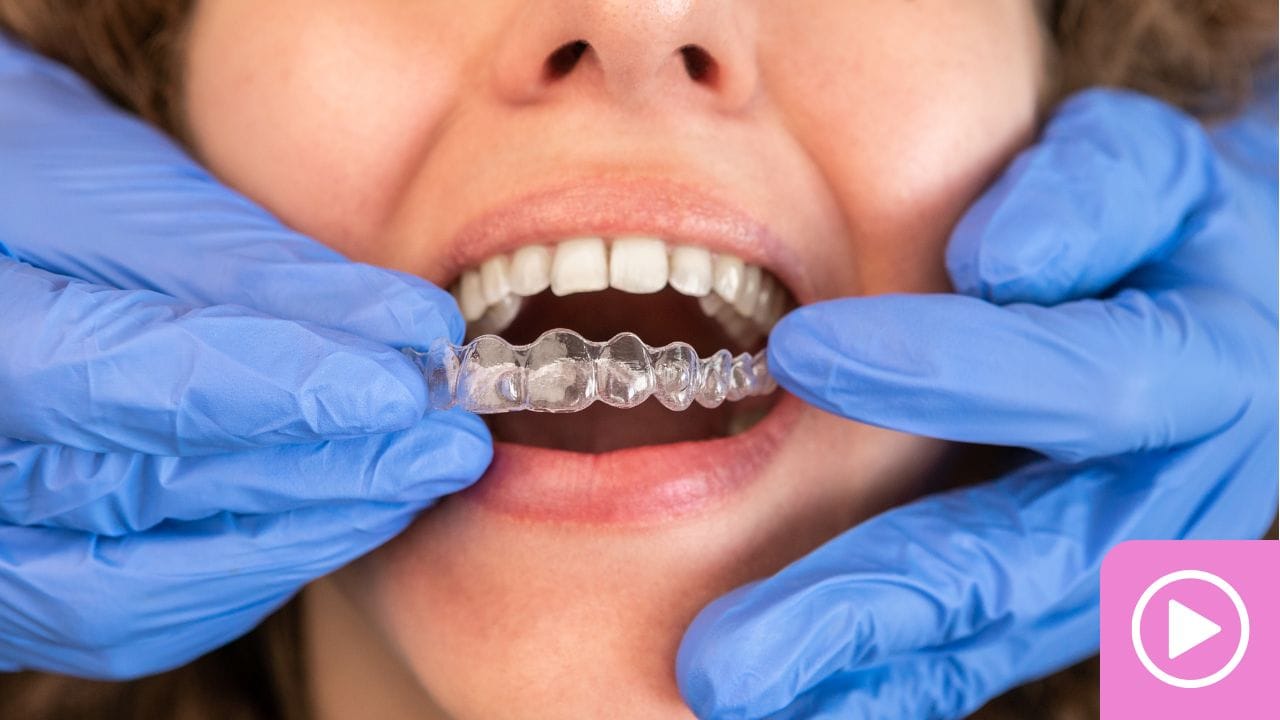
Overbites are among the most common bite problems orthodontists treat—and thanks to advances in clear aligner technology, you no longer need metal brackets and wires to correct them. Invisalign offers an increasingly popular and discreet option, but the question many Atlanta patients ask is: Can Invisalign really fix an overbite?
The answer depends on the severity of the overbite, your age, and your unique orthodontic needs. In this post, we’ll explore what an overbite is, what causes it, how Invisalign works to correct it, and whether it might be the right option for you or your child.
What Is an Overbite?
An overbite occurs when the upper front teeth overlap the lower front teeth more than normal. Some degree of overbite is considered natural and healthy—typically around 1–2 millimeters of overlap. However, when that overlap becomes excessive, it may lead to:
- Jaw pain or TMJ issues
- Difficulty biting or chewing
- Tooth wear and damage
- Speech issues
- Changes in facial appearance
There are two main types of overbites:
- Skeletal overbite — Caused by jaw structure or bone development
- Dental overbite — Caused by the position of teeth rather than bone
Invisalign can be an effective treatment for both, but skeletal overbites may sometimes require additional orthodontic or orthopedic interventions.
What Causes an Overbite?
There are a few common reasons why an overbite develops:
- Genetics — Inherited traits related to jaw and tooth development
- Thumb sucking — Prolonged habits can push teeth forward
- Tongue thrusting — Can cause the upper teeth to shift out of alignment
- Prolonged pacifier use — Especially beyond age 3
- Teeth crowding or spacing issues — Misaligned teeth can contribute to bite problems
- Missing teeth — Gaps may affect bite alignment
Overbites can develop during childhood or worsen over time without treatment, which is why early orthodontic evaluation is recommended.
Can Invisalign Fix an Overbite?
Yes, in many cases, Invisalign can successfully correct mild to moderate overbites. Using a series of custom-designed clear aligners, Invisalign gradually shifts teeth into a healthier position. Each aligner is worn for about one to two weeks, and with consistent use, overbite correction can be achieved.
For more severe overbites—especially those caused by skeletal issues—Invisalign may be used in combination with attachments, elastics, or other tools, and in some cases, traditional braces or oral surgery may be required for optimal results.
How Invisalign Works for Overbites
Invisalign aligners are created using 3D scans of your teeth and bite. Using this digital model, orthodontists create a precise plan to guide your teeth into alignment. For overbite cases, Invisalign may:
- Move the upper teeth backward
- Move the lower teeth forward
- Level and align the arches
- Use attachments or buttons for added control
- Include elastic bands to adjust jaw positioning
Each set of aligners builds on the last, progressing your smile toward a healthier, more functional bite.
How Long Does It Take to Fix an Overbite with Invisalign?
Treatment time varies depending on the complexity of the case and how consistently the aligners are worn. On average:
- Mild overbites — 6 to 12 months
- Moderate overbites — 12 to 18 months
- Severe overbites — 18 to 24+ months (may require additional treatment steps)
Wearing aligners for at least 20–22 hours per day and following your orthodontist’s instructions are key to successful outcomes.
Benefits of Choosing Invisalign for Overbite Correction
For Atlanta patients looking for a convenient, discreet alternative to metal braces, Invisalign offers several advantages:
- Clear and nearly invisible — Great for working professionals, teens, and adults
- Removable — Easy to eat, brush, and floss
- Fewer in-office visits — Typically requires less maintenance
- Comfortable — No metal brackets or wires to irritate the mouth
- Custom-fit — Designed specifically for your smile and bite goals
Invisalign vs. Braces for Overbite Correction
Both Invisalign and traditional braces are effective at correcting overbites, but each has unique pros and cons.
Invisalign —
- Best for mild to moderate cases
- Discreet appearance
- Easy to maintain oral hygiene
- Requires patient compliance (must be worn as directed)
Braces —
- Effective for all severities, including complex cases
- Not removable, so treatment progresses consistently
- May require more frequent adjustments
- More visible during treatment
Choosing the best option depends on your lifestyle, goals, and the specifics of your bite issue.
When to Seek Treatment for an Overbite
The earlier an overbite is diagnosed, the easier it is to correct. The American Association of Orthodontists recommends a first orthodontic checkup by age 7. However, it's never too late to address bite issues—plenty of adults in Atlanta choose Invisalign to fix overbites later in life.
Consider scheduling an orthodontic evaluation if you notice:
- Protruding upper front teeth
- Difficulty chewing or biting
- Jaw pain or clicking
- Changes in your facial profile
- Worn, chipped, or crowded teeth
- Speech changes or lisping
Final Thoughts — Can Invisalign Fix an Overbite?
In many cases, Invisalign is a highly effective, comfortable, and discreet way to correct overbites. It’s especially appealing for adults and teens in Atlanta who want straighter teeth and a healthier bite without the look or feel of braces.
The best way to know if Invisalign is right for your overbite is to schedule a consultation with a qualified orthodontist. They’ll evaluate your bite, discuss your treatment goals, and recommend the best plan to get your smile on track.
Explore Invisalign for Overbite Correction in Atlanta
Curious if Invisalign can fix your overbite? Take the next step toward better bite alignment and a confident smile.
Contact Artemis Smiles Orthodontics in Atlanta, GA today to schedule your consultation and find out if Invisalign is the right fit for your needs.