
When it comes to straightening your teeth, today’s patients have more choices than ever. Two of the most popular options—Invisalign and traditional braces—can both deliver beautiful results. But how do you know which one is better for your needs?
For teens and adults in Atlanta, the decision often comes down to more than just appearance. Lifestyle, comfort, treatment complexity, and even cost all play a role. In this blog, we’ll take a close look at how Invisalign and braces compare, highlight the pros and cons of each, and help you figure out which one might be the better choice for your smile goals.
What Is Invisalign?
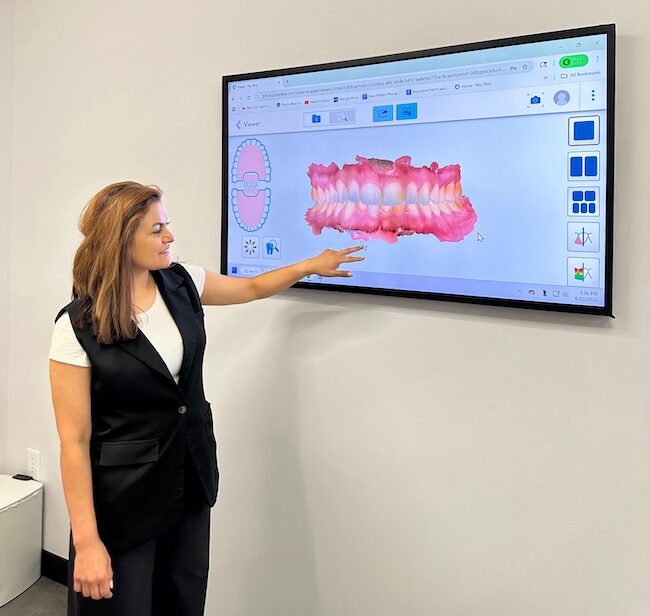
Invisalign is a system of clear, removable aligners custom-made to gradually shift your teeth into place. Using advanced digital scanning, each aligner is designed to move your teeth step by step. You’ll wear each set for about 1–2 weeks before switching to the next.
Invisalign is nearly invisible, and since the trays are removable, you can eat, brush, and floss just like normal. It’s become a popular option for both teens and adults in Atlanta who want a discreet and convenient orthodontic experience.
What Are Traditional Braces?
Braces use metal brackets, wires, and sometimes elastics to move teeth over time. They’re bonded to the surface of your teeth and adjusted every few weeks by your orthodontist. While metal braces are most common, other options include ceramic (clear) braces and lingual (behind-the-teeth) braces.
Braces are fixed, which means you don’t have to worry about taking them out or remembering to wear them—but you do need to follow dietary restrictions and maintain good hygiene to prevent staining or damage.
Invisalign vs. Braces — Pros and Cons
Let’s break down the key differences to help you understand how each option compares in the real world.
Appearance
- Invisalign — Clear aligners are virtually invisible. Most people won’t even notice you’re wearing them.
- Braces — Metal braces are noticeable, though ceramic brackets and tooth-colored wires can make them more discreet.
Comfort
- Invisalign — No wires or brackets, which means less irritation on cheeks and gums.
- Braces — May cause soreness after adjustments and some discomfort from metal parts.
Removability
- Invisalign — Removable for eating, drinking (except water), brushing, and flossing.
- Braces — Fixed in place 24/7. Requires extra care during meals and oral hygiene.
Maintenance and Cleaning
- Invisalign — Easier to brush and floss without obstructions. Aligners require daily cleaning.
- Braces — Oral hygiene takes more effort to clean around brackets and wires.
Dietary Restrictions
- Invisalign — No food restrictions, since aligners are removed while eating.
- Braces — Avoid sticky, hard, or chewy foods that can damage brackets or wires.
Treatment Time
- Invisalign — Similar to braces for mild to moderate cases. Compliance affects speed.
- Braces — Often more predictable for complex cases with set timelines.
Cost
- Invisalign — Often similar in price to ceramic braces in Atlanta, depending on complexity.
- Braces — Metal braces are usually the most affordable option; specialty braces may cost more.
Effectiveness for Complex Cases
- Invisalign — Works well for many alignment issues, but some complex cases may be better handled with braces.
- Braces — Often recommended for more severe bite issues or significant tooth movement.
Invisalign Might Be Better If...
- You want a nearly invisible solution
- You’re responsible enough to wear aligners 20–22 hours per day
- You don’t want to change your diet
- You value the ability to remove your aligners for social events or photos
- You prefer easier brushing and flossing
Braces Might Be Better If...
- You need significant tooth or bite correction
- You’d rather not worry about wearing aligners consistently
- You’re treating a younger teen who might misplace aligners
- You want a more budget-friendly solution
- You’re okay with visible hardware during treatment
What About Teenagers in Atlanta?
For teens, Invisalign offers a flexible, image-friendly option. Invisalign Teen includes wear indicators and room for incoming teeth, making it easier for orthodontists to track progress.
However, some teens may struggle to wear their aligners consistently. In these cases, braces might be more reliable since they’re always working—regardless of habits.
The good news? Many Atlanta orthodontists offer both options and can help teens and parents make the right decision based on lifestyle, responsibility, and orthodontic needs.
How to Decide What’s Best for You
Choosing between Invisalign and braces isn’t a one-size-fits-all decision. Here are a few key questions to help guide your choice:
- Do you care more about aesthetics during treatment or long-term results?
- Are you comfortable being responsible for wearing aligners daily?
- Are you dealing with a minor cosmetic fix or a complex bite issue?
- Would you rather have removable or fixed treatment?
- What does your orthodontist recommend based on your case?
No matter which route you choose, both Invisalign and braces are effective tools for achieving a healthy, confident smile.
Start Your Smile Journey with Confidence
If you’re ready to explore orthodontic treatment in Atlanta, working with an experienced provider can make all the difference. Whether you’re leaning toward Invisalign or braces, a personalized consultation can give you insight into what’s best for your smile and lifestyle.
At Artemis Smiles Orthodontics, we offer both Invisalign and braces and will walk you through your options with honesty and clarity—so you can feel great about your decision.
Schedule your free consultation today and take the first step toward the smile you’ve always wanted.