
Orthodontic treatment doesn’t end the day your braces come off or your last Invisalign tray is complete. In fact, one of the most important phases of your smile journey begins after your teeth have been aligned: the retention phase.
This is where permanent retainers often come into play.
For many patients in Atlanta, permanent retainers offer a low-maintenance, long-term solution to keep teeth in their new positions. But like any dental device, they come with pros, cons, and care instructions that are important to understand.
In this guide, we’ll walk through what permanent retainers are, how they work, who they’re ideal for, and what life looks like after braces or Invisalign with one in place.
What Is a Permanent Retainer?
A permanent retainer—also called a fixed retainer or bonded retainer—is a thin wire that is attached to the back side of the teeth, typically on the lower front teeth. It is secured in place using a dental composite and is designed to stay in place indefinitely.
Unlike removable retainers, you don’t take a permanent retainer out at night or during meals. It remains in place 24/7 to prevent teeth from shifting back after orthodontic treatment.
Why Is Retention Important After Braces or Invisalign?
After orthodontic treatment, your teeth are still settling into their new positions. The surrounding bone and tissues need time to adapt. Without proper retention, there's a risk that teeth may begin to shift back—something called orthodontic relapse.
The retention phase helps:
- Keep teeth aligned after months or years of treatment
- Stabilize bite and jaw function
- Preserve the investment made in braces or Invisalign
- Prevent the need for future retreatment
In other words, retainers protect the results you worked hard to achieve.
Types of Retainers Explained
There are two primary categories of retainers—removable and permanent. Each has its own set of benefits and considerations.
Removable Retainers —
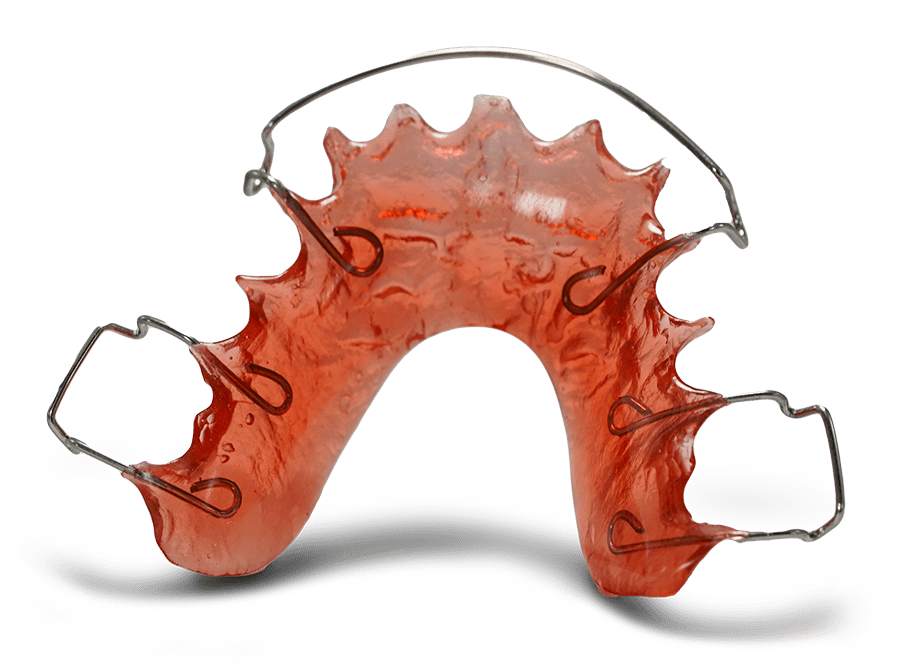
- Hawley retainers — Acrylic base with a metal wire across the front of the teeth
- Clear retainers (like Vivera or Essix) — Custom plastic trays that fit snugly over the teeth
Permanent Retainers —
- Bonded wires — Cemented to the back of the teeth, often between canine-to-canine
- Typically used on the lower front teeth, but sometimes upper teeth as well
Many orthodontists recommend a combination: a permanent retainer on the lower teeth and a removable clear retainer for the upper arch.
Benefits of Permanent Retainers
Permanent retainers offer a range of benefits, particularly for patients who want to “set it and forget it.”
Why patients in Atlanta love them:
- Consistency — They’re always working to keep teeth aligned
- No risk of loss — Unlike removable retainers, you can’t misplace them
- Invisible — Bonded behind the teeth, so they’re not noticeable when you smile
- Ideal for busy lifestyles — Especially for students, professionals, or anyone who might forget to wear a removable device
Potential Drawbacks to Consider
While convenient, permanent retainers aren’t without challenges.
Things to keep in mind:
- Harder to clean — They can trap plaque or food if not cleaned thoroughly
- Risk of breakage — The bonding can wear down or the wire may come loose
- Not removable — You’ll need to visit your orthodontist to have it repaired or taken out
- May cause irritation — Some patients experience tongue discomfort, especially in the early days
That said, most issues can be minimized with good oral hygiene and regular check-ups.
How to Care for a Permanent Retainer
Taking care of your fixed retainer is crucial to keeping your smile healthy and your results intact.
Oral hygiene tips include:
- Use a floss threader or water flosser — To get under the wire and between teeth
- Brush thoroughly — Pay extra attention to the area around the bonded wire
- Schedule regular cleanings — Your hygienist can remove buildup and check for wear
- Avoid hard or sticky foods — These can loosen the bonding or bend the wire
With good care, permanent retainers can last many years without needing replacement.
Who’s a Good Candidate for a Permanent Retainer?
Not everyone will need or benefit from a permanent retainer, but it’s a great choice for many.
You might be a good candidate if:
- You had moderate to severe crowding before treatment
- You’ve experienced relapse in the past
- You’re unlikely to consistently wear a removable retainer
- You want a low-maintenance, always-active solution
- You’re in your teens or early adulthood, when shifting is still likely
An orthodontic evaluation can help determine the best retainer option for your needs and lifestyle.
What to Expect After Getting a Permanent Retainer
The process is quick and painless. Your orthodontist will:
- Clean and dry your teeth
- Apply bonding material to the back of the teeth
- Secure a thin metal wire in place
- Cure the bonding agent with a special light
Most patients adapt to the feel of the wire within a few days. Your orthodontist will review care instructions and check the retainer regularly during follow-up visits.
Can a Permanent Retainer Be Removed Later?
Yes. While they are called “permanent,” bonded retainers can be removed by your orthodontist at any time. Some patients transition to removable retainers after several years, especially if their teeth remain stable.
Reasons for removal include:
- Difficulty with oral hygiene
- Wire breakage or wear
- Long-term stability achieved
- Patient preference
It’s important not to remove a bonded retainer on your own. Always seek professional care.
Final Thoughts on Permanent Retainers
Permanent retainers offer a discreet and reliable way to preserve the results of your orthodontic treatment. For patients in Atlanta who value convenience, long-term alignment, and peace of mind, they’re an excellent option worth considering.
With proper care and guidance from an orthodontic professional, you can enjoy a healthy, straight smile for years to come—no daily reminders required.
Interested in a Retainer That Works 24/7?
If you’re finishing up braces or Invisalign and want to maintain your results with confidence, a bonded retainer may be the perfect fit.
Contact Artemis Smiles Orthodontics in Atlanta, GA to schedule a consultation and find the right retention plan for your smile.